Mastering Age-Appropriate Shoe-Tying Lessons for Children
Introducing your child to the skill of tying shoelaces is more than just a practical lesson—it’s a milestone that builds independence, fine motor control, and confidence. Yet, knowing when and how to start can feel confusing for many parents. That’s why age-appropriate shoe-tying lessons are essential: they align teaching with a child’s developmental stage, ensuring success without frustration. In this guide, we’ll walk through the best approaches, milestones, and practical tips to help your child tie their shoes confidently.Understanding the Ideal Age for Learning to Tie Shoelaces
Most children begin exploring shoelace manipulation as early as ages 2 to 3. At this stage, little ones might experiment with laces through playful activities like threading beads or stringing toys—creative exercises that build the hand strength and rhythm needed for true shoelace tying. However, independence in tying usually starts around age 4, with most mastering the full knot between ages 5 and 7. By age 6, many children can tie shoelaces without assist, though some may need extra support into early elementary years. Recognizing these windows helps tailor lessons to your child’s readiness.Key Developmental Readiness Signs
Before launching into formal shoe-tying lessons, assess if your child has the necessary developmental building blocks: - **Hand strength and dexterity:** Can your child grasp and manipulate small objects like laces or beads with control? - **Fine motor coordination:** Does your child show comfort threading through holes or controlling small movements? - **Focus and patience:** Can they follow multi-step instructions and persist when tasks feel tricky? Some kids develop these skills earlier—driven by kids' play habits, preschool experiences, or even early exposure to household routines. Others may take longer and benefit from patience and creative practice rather than pressure.Age-Appropriate Approach: Teaching Shoe Tying Step by Step
Tailoring your method to your child’s stage makes all the difference:- Ages 2–3: Sensory Exploration & Preparation
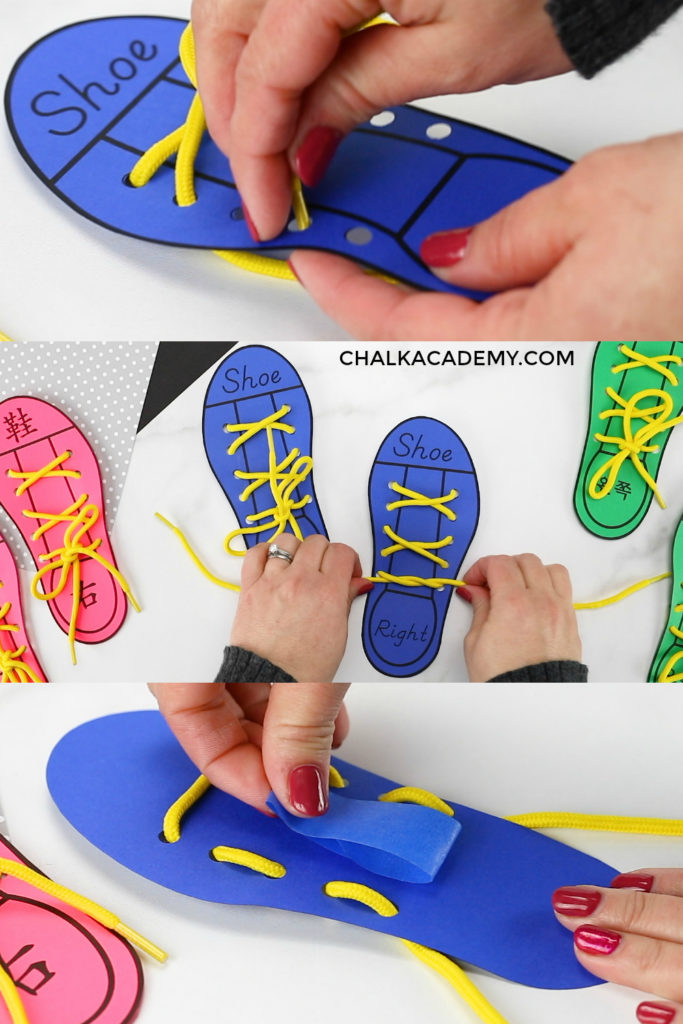
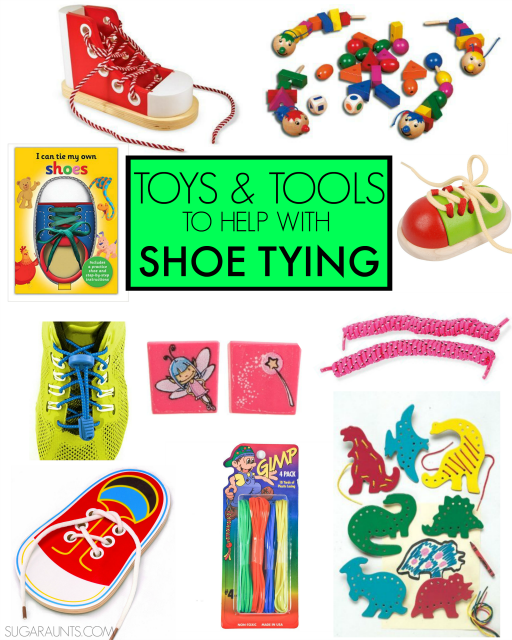
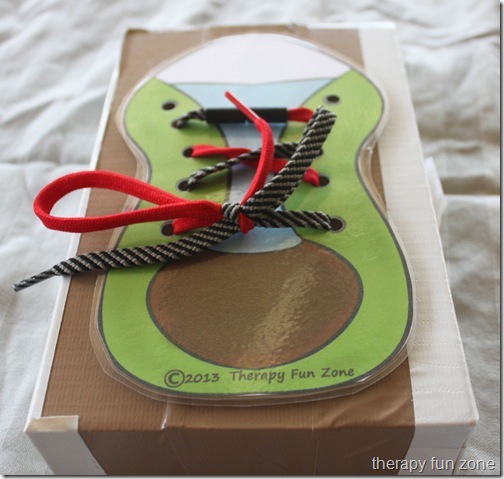
Focus on playful learning—let your child handle laces, tangled strings, or shoelaces attached to toys. This builds familiarity without expectation. Use soft, thick laces or lace toys to spark interest. - Ages 4–5: Introducing the Basic Diagonal Method
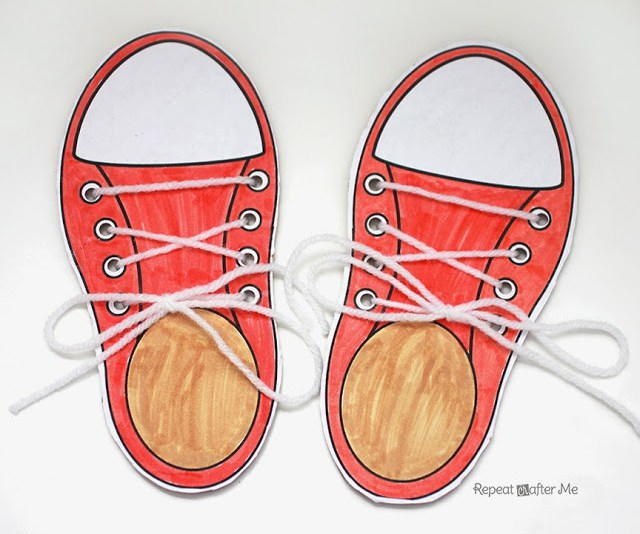
Start with the common “bunny ears” technique using simple knots. Break each step into small, visual parts—show them how to create loops and crisscross laces. Use songs or gentle chants to turn practice into fun. - Ages 5–7: Guided Practice for Fluency
Now, guide your child through each phase: folding laces vertically, making a loop, then crossing and pulling through. Celebrate progress—even small wins like creating a loop or tugging tightly—build lasting confidence.