Teaching Shoe Tying: Effective Strategies for Building Confidence and Independence
Mastering the art of shoe tying is far more than just a practical life skill—it’s a major developmental milestone that boosts a child’s confidence, fine motor skills, and growing independence. Yet, many parents and educators face challenges when introducing this useful task. With patience, creative activities, and tailored strategies, teaching shoe tying can be both joyful and effective. In this article, we share 20 unique, evidence-informed methods designed to make the process fun, engaging, and sustainable for every child.Why Shoe Tying Matters for Kids’ Development
Tying shoelaces isn’t just about fastening boots—it integrates multiple cognitive and motor skills. From hand-eye coordination and bilateral manipulation to visual perception and problem-solving, tying shoelaces strengthens foundational abilities essential for learning and self-care. As occupational therapists often note, this milestone supports a child’s ability to complete independent chores, build manual dexterity, and gain a strong sense of achievement. Because of its wide-ranging benefits, effective strategies for teaching shoe tying go beyond step-by-step instructions—they create meaningful, multisensory experiences that keep children motivated.Effective Strategies for Teaching Shoe Tying: Step-by-Step Tips
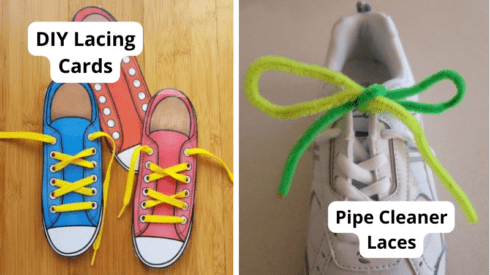
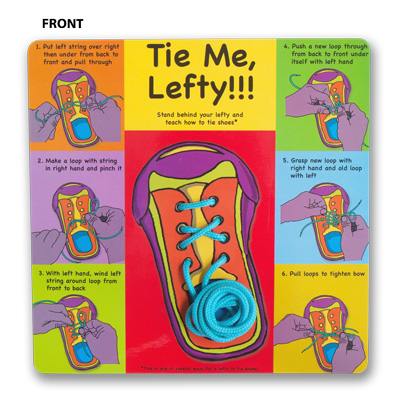
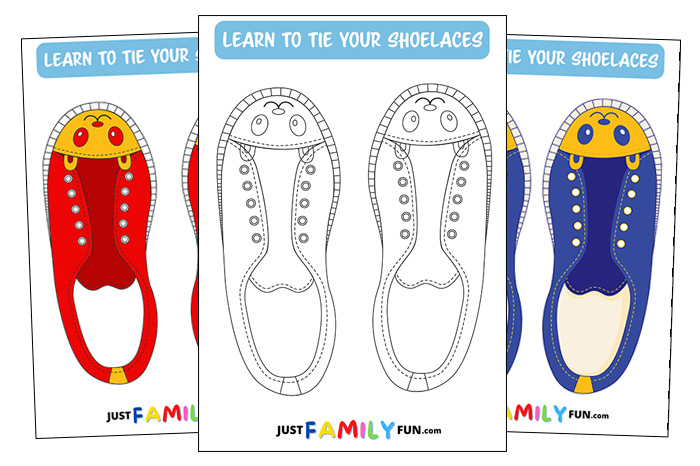
One powerful approach is to break the process into manageable, visual steps. Using thick, colorful shoelaces improves visibility and makes manipulation easier—especially for young hands with developing fine motor control. Place shoes on a table or lap for hands-on practice, helping kids observe how loops are created and tightened. Demonstration is key: adults or peer role models should show proper knot-tying techniques slowly and clearly, emphasizing hand positioning and rhythm. Children learn best through repetition and positive reinforcement. Use a “buddy system” where kids practice with friends or siblings—this encourages social learning and builds confidence. Incorporate catchy rhymes or chant-like phrases to make steps memorable and fun. For example, “Loop high, pull tight, tie in a bow!” turns technique into play.Innovative Activities to Reinforce Shoe Tying Skills
Beyond classic drills, creative activities make the learning process more engaging:- Craft your own racy shoelaces: Let kids create colorful laces using thick string or colorful thread. Customize with beads or markers to personalize each pair and spark pride in ownership.
- Turn it into a race: Set up a shoe-tying challenge on a play mat. Kids receive a shoe and a leash of lashes; the first to finish wins a fun prize, fueling motivation through friendly competition.
- Use shoelace jewelry: Practice lacing “bracelets” to build confidence in a low-pressure setting. Once mastered, extend the skill to shoes for real-world application.
- Teach via videos and demonstrations: Age-appropriate tutorial videos showing techniques step-by-step offer consistent, repeatable models children can mimic confidently.
- Pair with songs and chants: Set up a simple melody or catchy phrase to mark each tying step. This rhythm helps internalize the sequence naturally.