How to Teach a Toddler to Tie Shoe Laces: A Step-by-Step Guide
Learning how to teach a toddler to tie shoelaces is one of the most rewarding parenting milestones—marking a proud moment when tiny hands master a skill that unlocks independence. But many parents wonder, how to teach a toddler to tie shoelaces without frustration? This article breaks down the process using simple, fun methods rooted in developmental skill-building and play. Whether your child is 3 or 5, these proven strategies will turn lacing practice into playtime, setting the stage for lifelong self-reliance.Why Tying Shoelaces Matters Beyond Fashion
Before diving into how to teach a toddler to tie shoelaces, consider the bigger picture. Learning this skill boosts fine motor coordination, hand-eye precision, and cognitive development. It’s not just about fashion—it’s a stepping stone for dressing independence, confidence, and readiness for school-ready tasks. Plus, mastering safe self-dressing helps young children feel capable and proud, fostering a strong sense of achievement.Start with Preparation: Building Fine Motor Foundations
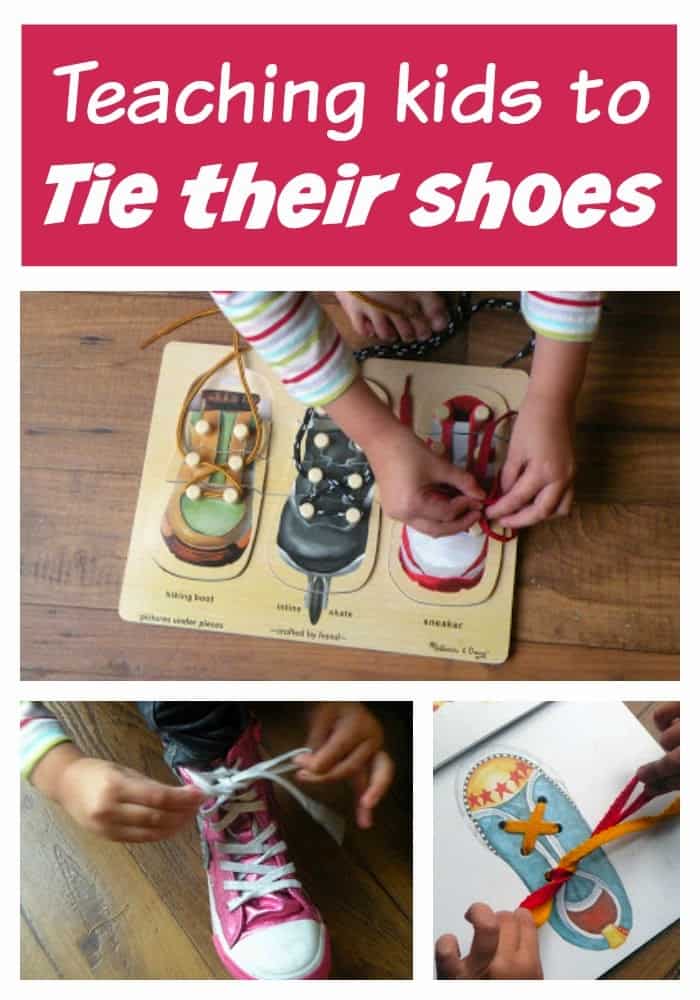
A confident lacer is built on solid fine motor skills. Before introducing actual shoelaces, practice basic hand movements. Offer cloistered activities like: - Threading large beads onto a shoelace or pipe cleaner - Folding and unfolding paper gently - Squeezing stress balls or squeezing playdough These exercises strengthen little fingers and boost dexterity—critical for later tie-tying success. Pair these playful exercises with praise to keep your toddler motivated and engaged.Choose the Right Technique for Your Child
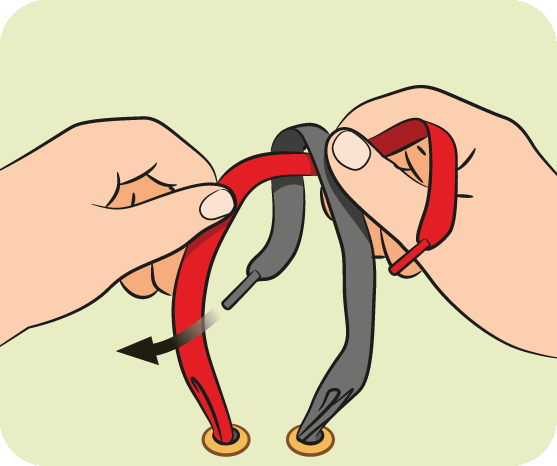
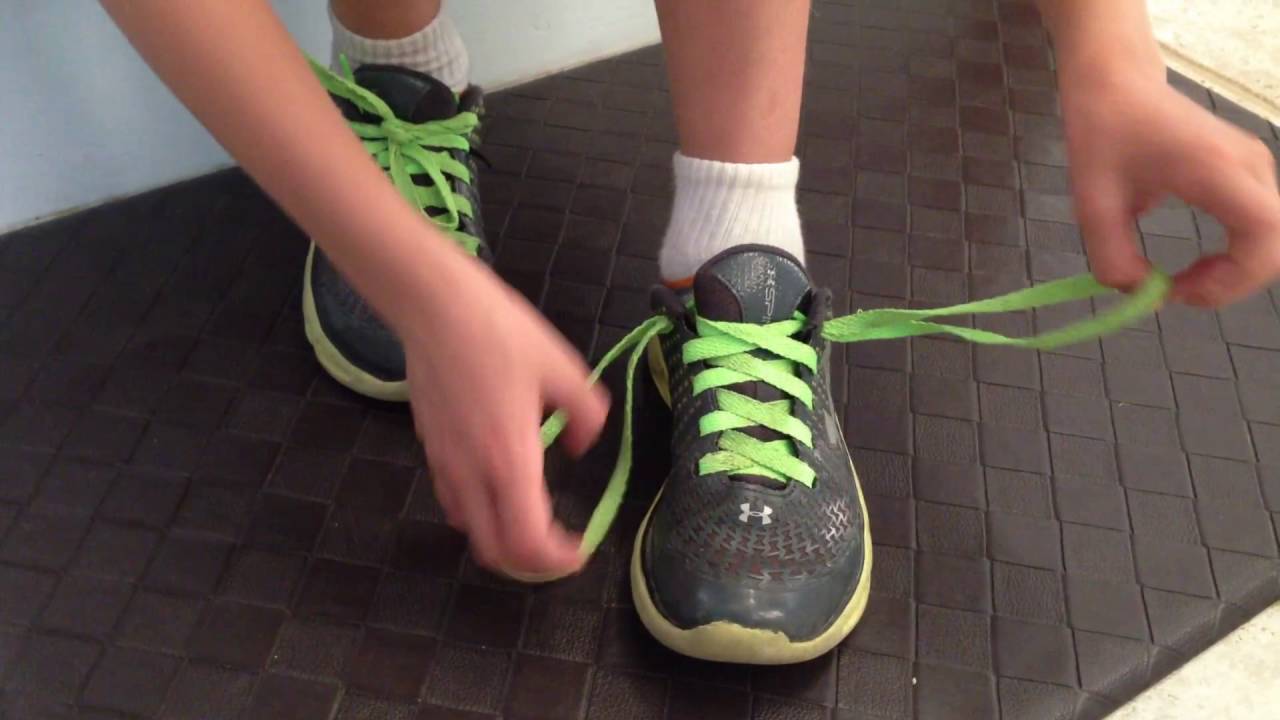
Not every method works for every toddler. Start by deciding which tie technique fits their strengths:- Bunny Ears: Simple and visual, bend lace ends into loop “ears,” then cross and pull through—perfect for visual learners.
- Loop Swoop & Pull: Great for kinesthetic learners. Guide your child to form a large “S” loop, swoop one lace over, and pull tight. Best used with thick, soft laces.
- Loop & Pull Method: Form a simple loop with one lace, hold the tail tight, and pull through the middle—ideal for tactile feedback.