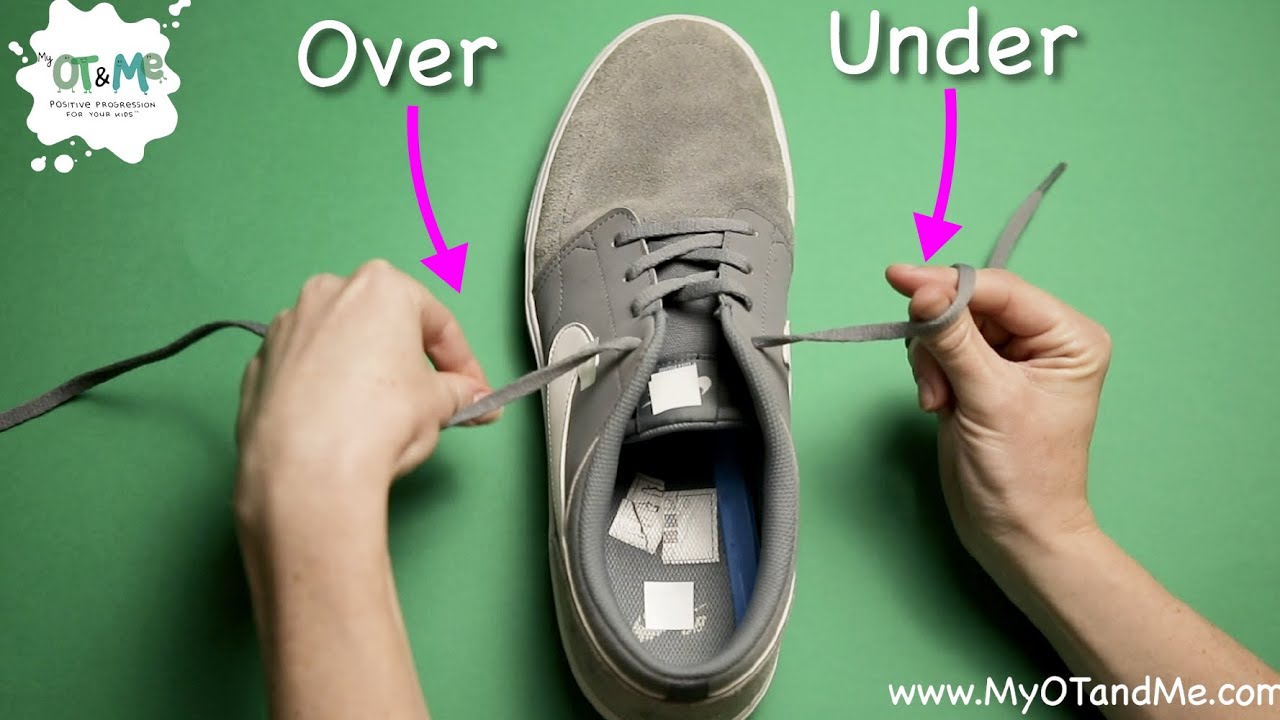
Overcoming Resistance to Tying Shoes for Kids: Turning Frustration into Fun
Learning to tie shoelaces is far more than just a daily task—it’s a key milestone in childhood development that builds fine motor skills, independence, and confidence. Yet for many kids, tying shoes feels like a frustrating puzzle that triggers resistance and tears. If you’ve ever heard that tired refrain—“Can you tie my shoes?!”—you’re not alone. The good news? With the right approach, you can help your child overcome resistance and even enjoy the journey. This article explores why overcoming resistance to tying shoes is essential, why it’s challenging, and practical ways to make teaching this skill joyful and effective.Why Overcoming Resistance to Tying Shoes Matters
Mastering the ability to tie shoelaces is a foundational skill that touches many areas of a child’s growth. First and foremost, it promotes independence—once kids tie their shoes, they no longer rely on help from adults or older siblings. This boosts self-confidence, encourages responsibility, and fosters a sense of accomplishment. Beyond emotion, tying shoes engages physical abilities like hand-eye coordination, finger strength, and bimanual control—all key for tasks such as writing, drawing, and handling small objects. Recognizing that overcoming resistance to tying shoes is more than just a chore helps parents frame it as a developmental win, not a battle.Common Challenges When Kids Resist Tying Shoelaces
Before diving into solutions, it helps to understand why kids may resist. Often, frustration arises from the skill’s complexity. Tie-tying requires multiple coordinated steps—creating loops, crossing and knotting laces, and balancing tension. For some children, motor coordination lags, visual planning skills are challenging, or simply practice time feels limited. Others may avoid the task due to anxiety about mistakes or past failures. Still, others simplement find alternative ways like Velcro or slip-ons, which, while helpful, can delay the development of proper shoelacing technique. As occupational therapists note, resistance often signals a need for tailored support and patience, not punishment.Step-by-Step Techniques to Overcome Resistance to Tying Shoes
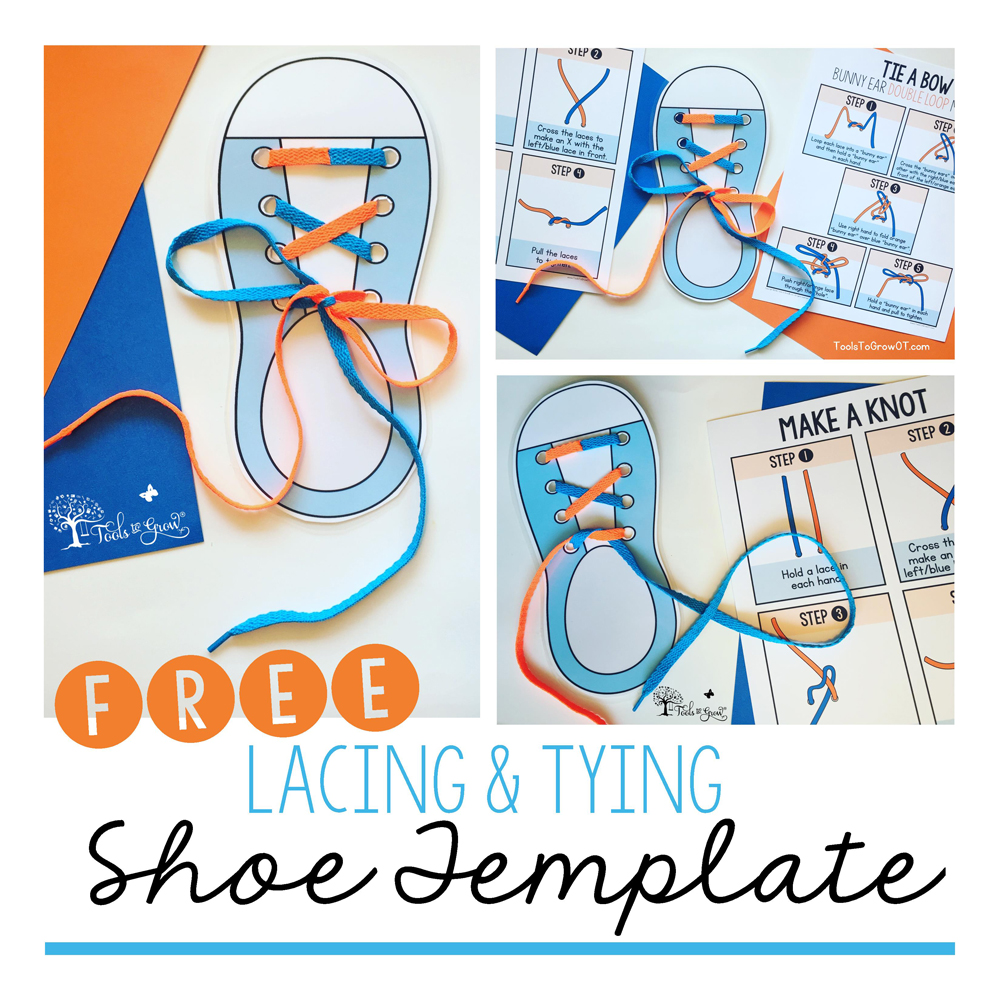
To help your child learn, start simple. here are 5 effective, research-backed techniques to ease the process and reduce resistance:- Use Lacing Boards or Let-at-Need Kits: These tools let kids practice without pressure, building familiarity and confidence before working on real shoes.
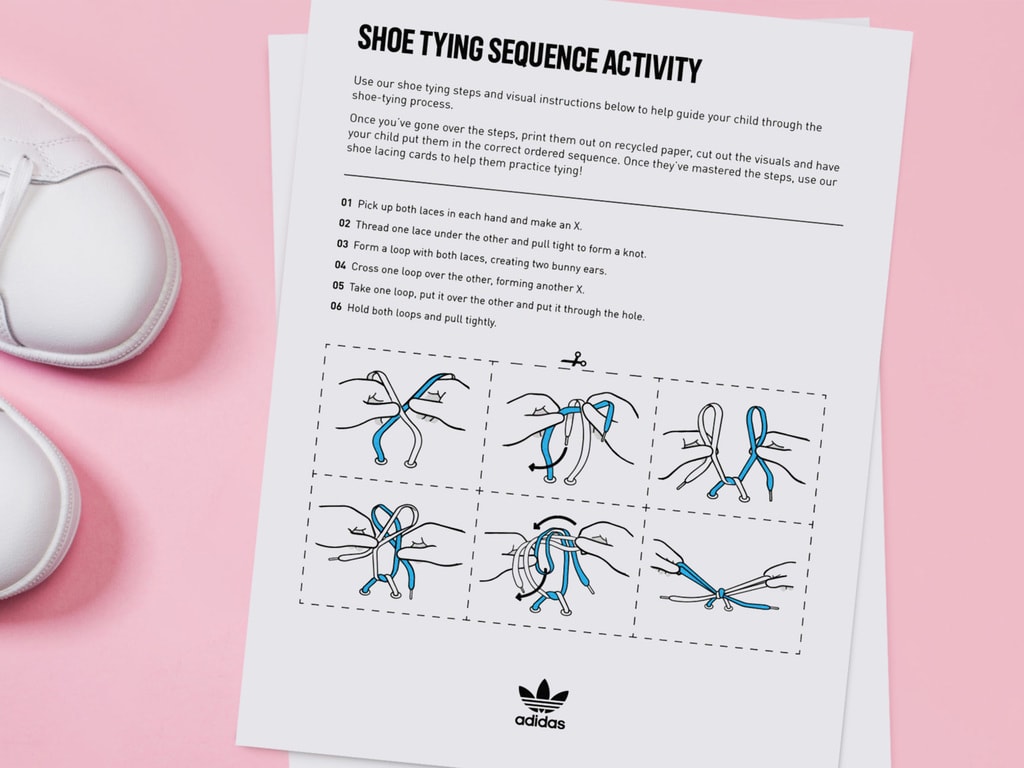
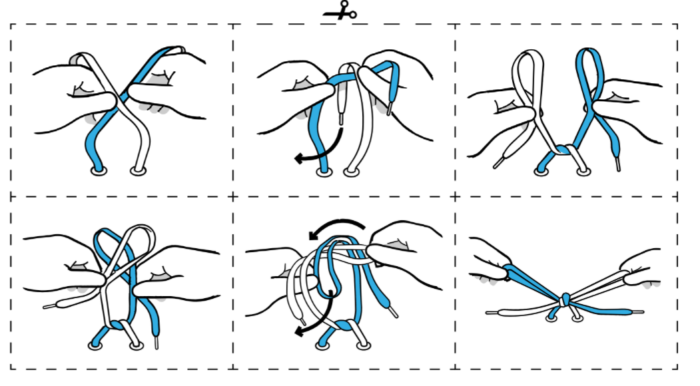
- Break It Down: Teach each step one at a time—make two loops, then cross the laces, knot, and pull through. Celebrate small wins!
- Incorporate Fun Activities: Turn lacing into games: race to tie, make shapes with the laces, or use colorful matches or shaped laces to keep attention high.
- Build Strength and Coordination: Try finger exercises, bead-stringing, or squeezing stress balls to strengthen hand muscles needed for tying.
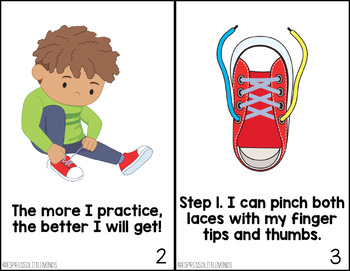
- Normalize Mistakes: Explain that practice helps and that everyone learns at their own pace—this reduces stress and builds resilience.