Teaching Children to Tie Shoes with Consistency: Building Confidence One Lace at a Time
Teaching children to tie their shoes is more than just a practical skill—it’s a milestone that boosts independence, develops fine motor abilities, and fosters self-confidence. Yet, for many parents and educators, the process can feel overwhelming. The secret to success lies not in rushing the process, but in teaching kids to tie shoes with consistency. By using intentional strategies, playful practice, and relatable guidance, children learn this essential skill faster and with greater joy.Why Teaching Children to Tie Shoes Consistently Matters
Tying shoes is far more than a chore; it’s a foundational life skill. Being able to tie laces independently helps kids dress on their own, prepare for school, and manage everyday tasks with greater ease. But beyond the function, consistency teaches patience and persistence. Each time a child practices using the same method, muscle memory forms—turning a tricky task into a smooth routine. When learning is consistent, frustration decreases and long-term mastery becomes attainable. Experts agree that most children begin developing shoe-tying abilities between ages 5 and 7, though every child progresses at their own pace. That’s why consistency—repetition, patience, and reminders—is vital. A steady, step-by-step approach helps kids internalize the process rather than treat it as random practice.Fun & Effective Methods to Teach Shoe Tying with Consistency
To make shoe-tying learning stick, creativity and repetition are key. Here are some tried-and-true methods and activities that parents and teachers can use:- Use the Bow Method: Start with a simple bow shape on untied laces. Call it the “magic knot” or “kitty tail” to spark imagination. Guide kids through creating the loop, crossing the ends, and pulling tight—keeping the method consistent step-by-step builds confidence.
- Incorporate Rhyming Songs and Chants: Turn shoe tying into a rhythmic game. Try the classic “Bow Tie Song” or invent your own chorus: “One loop, two loops, cross them fast—now pull tight and shout ‘Yay, I did!’” Consistent auditory cues reinforce each motion.
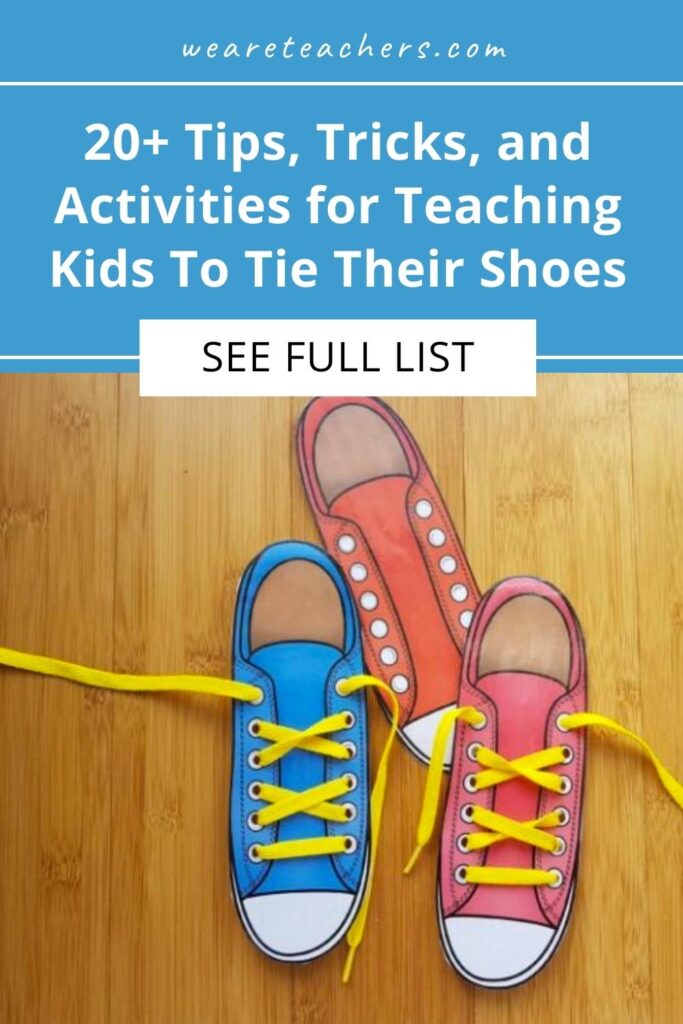
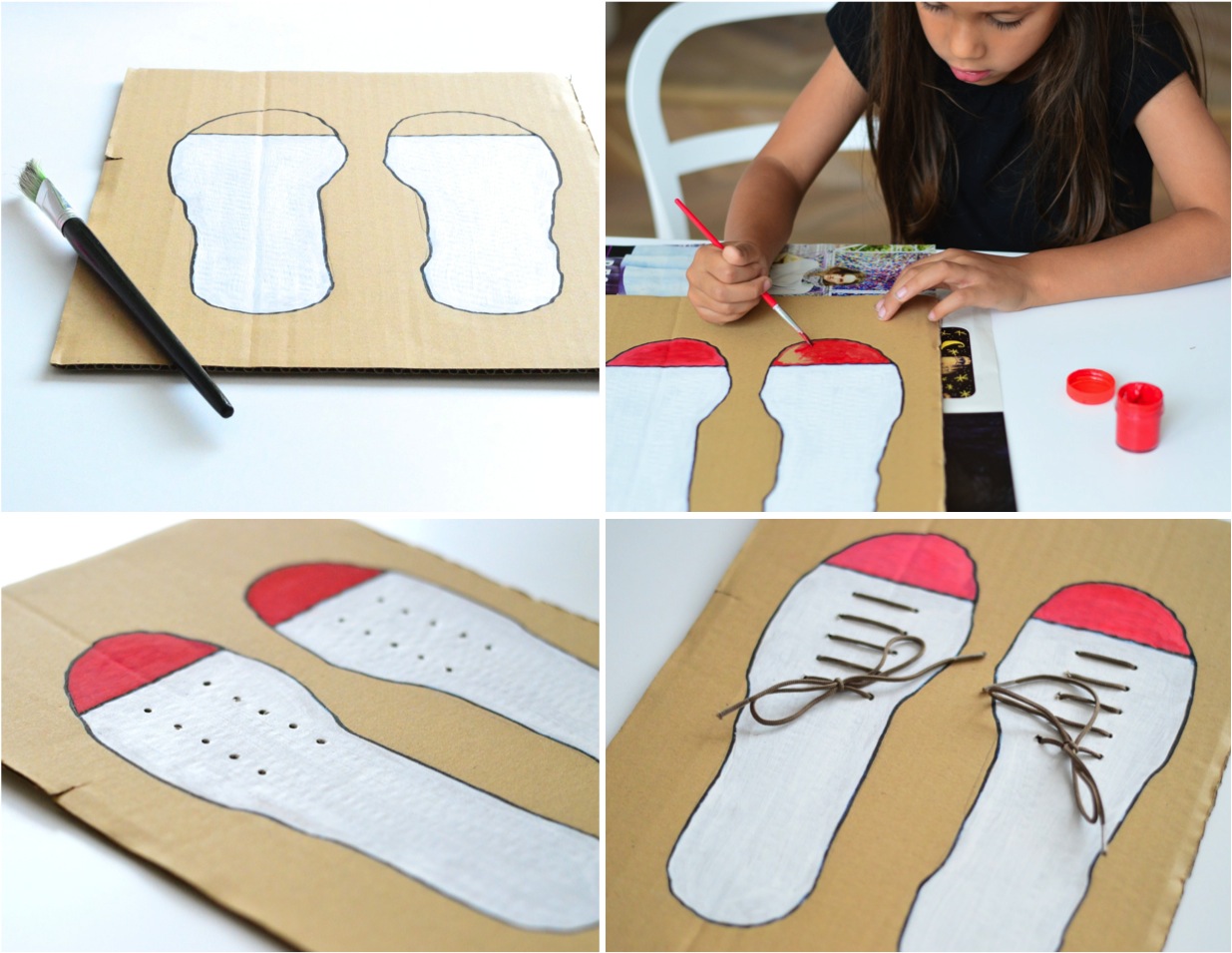
- Craft Materials Together: Let kids design their own laces using felt, foam, or even colorful shoelaces threaded through lacing cards. Creating custom shoelaces adds fun ownership, encouraging repeated practice.
- Host Shoe-Tying Challenges: Organize friendly races or “tie-off” races with siblings or friends. Celebrating small wins reinforces persistence and makes learning feel exciting.
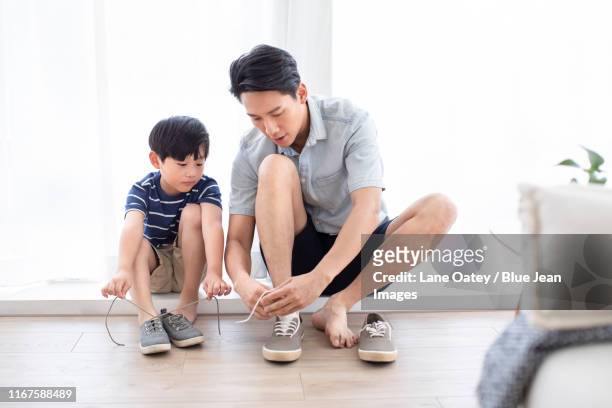
- Model and Repeat: Allow children to watch close-up demonstrations—showing every finger movement, turn, and tug. Practice the same steps daily to build consistency and neural pathways.