Teaching Kids to Tie Shoes with Special Needs Strategies
Teaching children to tie their shoes is a crucial milestone that supports independence, boosts confidence, and builds self-reliance. But for kids with special needs—especially those on the autism spectrum or with motor delays—this seemingly simple task can feel overwhelming. What many parents and educators learn through experience is that standard shoe-tying lessons often don’t work the same way. That’s why **teaching kids to tie shoes with special needs strategies** comes with unique, compassionate approaches designed to unlock success at each child’s pace. Labeling shoe-tying as a foundational life skill isn’t just about practicality—it’s about empowerment. When children learn to tie their own shoes, they gain greater control over daily routines, reduce frustration, and develop fine motor coordination that supports many other skills like writing, drawing, and handling small objects. For kids with sensory processing differences or developmental delays, tying shoes isn’t simply a mechanical challenge; it’s often an emotional and sensory experience that requires patience and tailored strategies.Why Special Needs Strategies Matter in Shoe Tying
Children with autism, ADHD, or sensory-processing difficulties may face unique hurdles when learning to tie shoes. These can include weak fine motor control, difficulty following multi-step tasks, sensory aversion to tight shoes, or struggle with spatial awareness. Traditional instruction focusing solely on rote demonstration often misses these nuances. That’s why effective intervention centers on *special needs strategies*—simple, consistent, sensory-friendly methods that respect each child’s individual journey. The goal isn’t just to tie shoes; it’s to teach skills in a way that aligns with how the child learns best, reducing anxiety and building competence step by step.Core Strategies for Teaching Kids to Tie Shoes
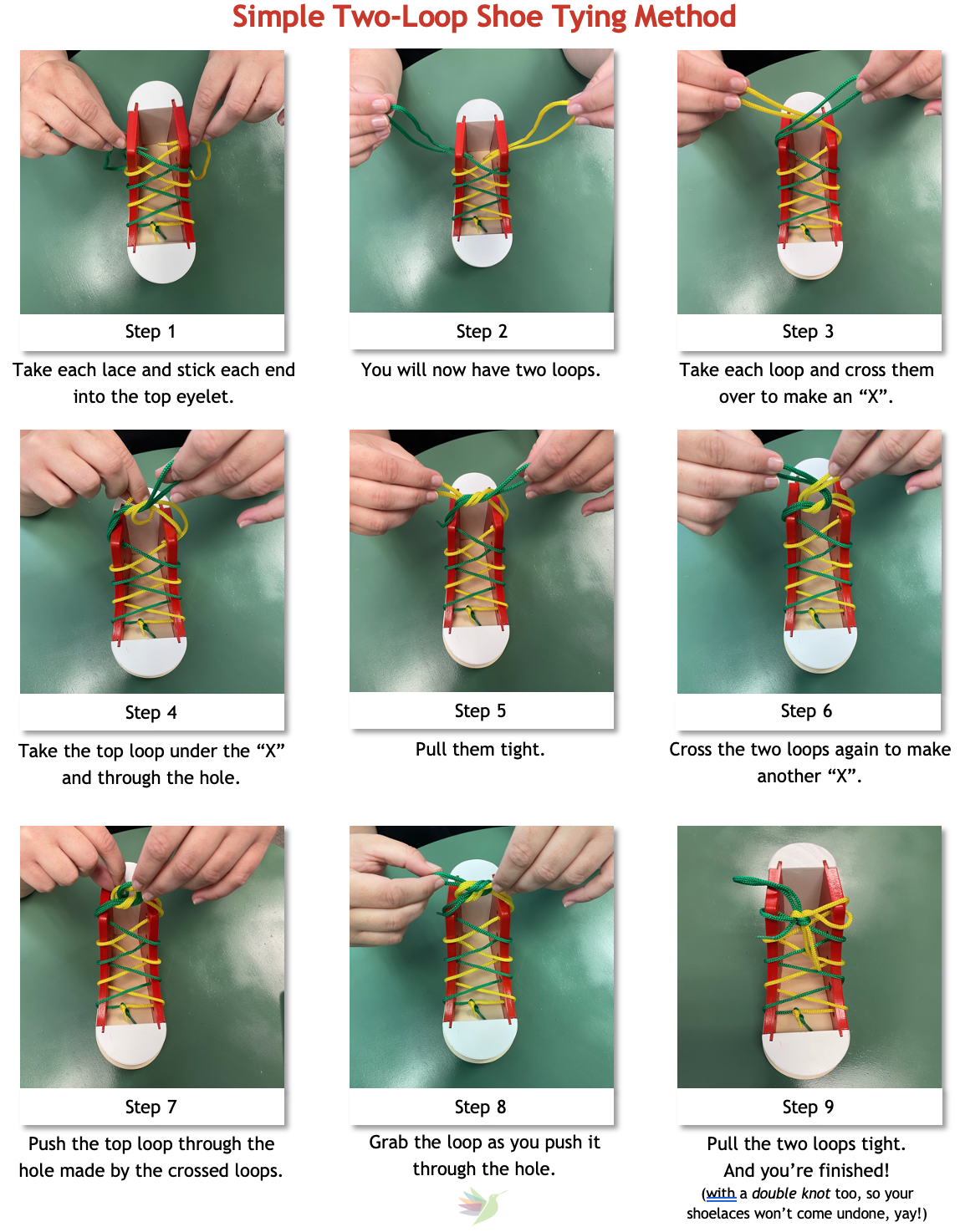
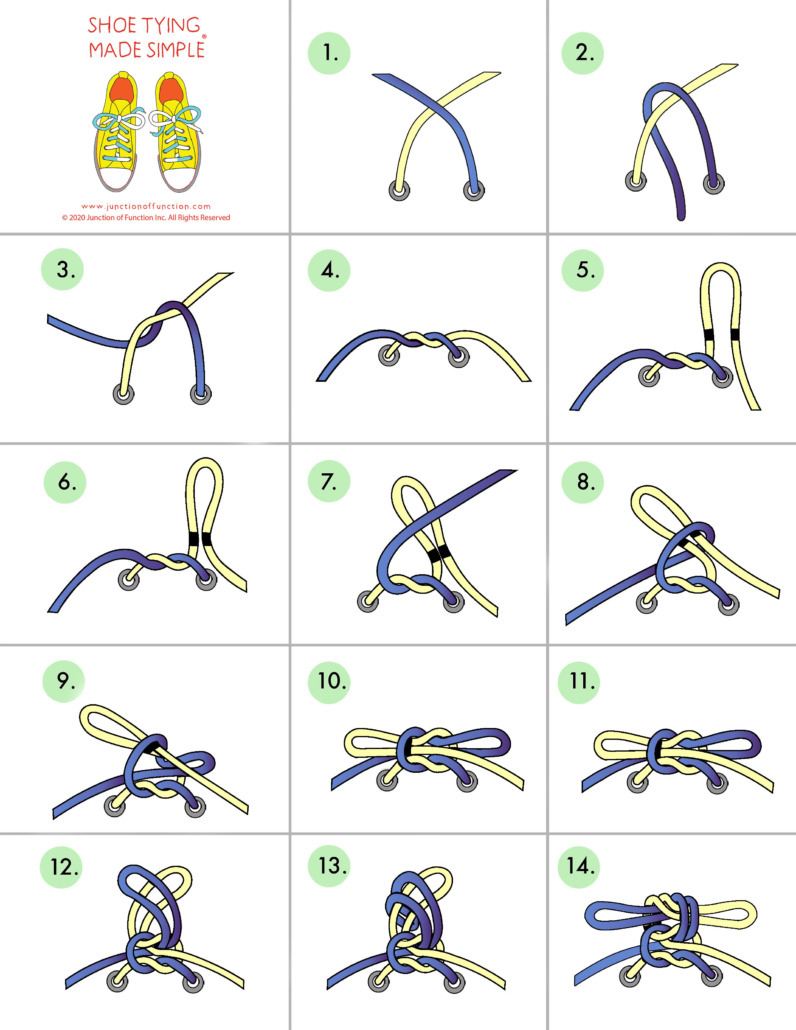
Here are proven strategies parents and therapists use when teaching kids with special needs to tie their shoes:- Break the task into tiny, manageable steps. Instead of focusing on the whole knot, start with simple motions: holding the lace, making the first loop, crossing the ends. Visual and physical modeling—showing each step slowly—helps reinforce understanding.
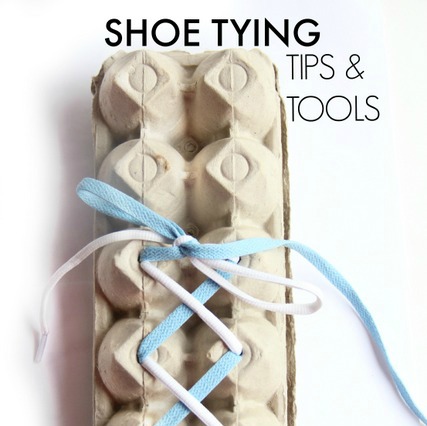
- Use sensory-friendly materials. Elastic laces reduce frustration by allowing looser adjustments, while brightly colored shoelaces make focusing easier and sensory input more engaging.
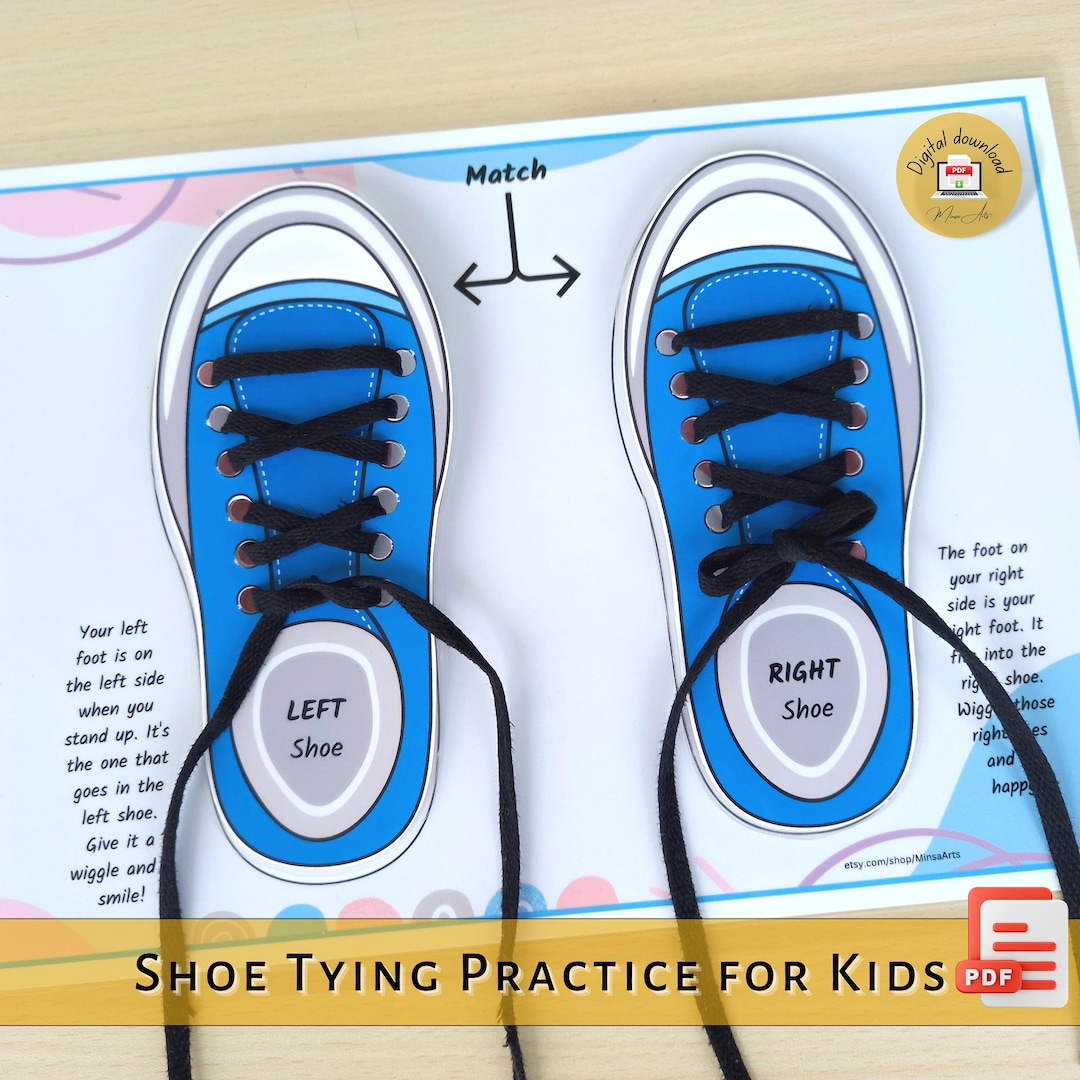
- Incorporate tactile and visual supports. Tactile cues like Velcro closures instead of tight laces initially build confidence. Pictures, motion cards, or video demonstrations assist with learning sequencing.
- Integrate play and motivation. Turn shoe-tying into a fun, rewarding activity—use songs, timers, or sticker charts to celebrate progress and maintain enthusiasm.
- Practice consistently but gently. Repetition is key, but sessions should be short, joyful, and pressure-free to prevent sensory overload or meltdowns.