Teaching Shoe Tying for Kids with ADHD: A Compassionate Guide for Parents and Teachers
Learning to tie shoelaces is a fundamental life skill, marking both independence and self-reliance. Yet, for many children—especially those with ADHD—this milestone can feel overwhelming, frustrating, or even impossible. If your child struggles to master shoe tying, you’re not alone. Many kids with attention deficit hyperactivity disorder face unique challenges with focus, motor coordination, and working memory, making traditional methods feel like a struggle rather than a step forward. But there is hope. By tailoring the shoe-tying process to your child’s needs, using patience, structured techniques, and engaging sensory tools, parents and educators can transform this task into a rewarding experience. This article dives into effective strategies to teach shoe tying for kids with ADHD—without the pressure, the repetition, and the frustration.Why Shoe Tying Challenges Kids with ADHD
Children with ADHD often show delays in fine motor development, visual-motor integration, and sustained attention—key components of shoe tying. Because tying shoes requires following multiple steps, judging spatial relationships, maintaining steady hand movements, and remembering sequences, it’s no wonder many children with ADHD hit delays. For a child with ADHD, the tribe of distractions, sensory sensitivities, or impulsivity can turn a simple “rope lace” into a race against time. Research shows that these challenges aren’t about intelligence or effort—they stem from neurological differences that affect how tasks are processed. That’s why a “one-size-fits-all” approach rarely works. Instead, teaching shoe tying for kids with ADHD means breaking the skill into manageable pieces, using clear, tangible steps, and incorporating movement and sensory elements to keep learning fun and focused.Strategies to Simplify and Master Shoe Tying with ADHD
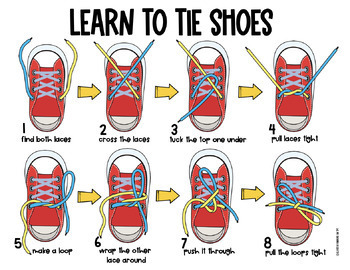
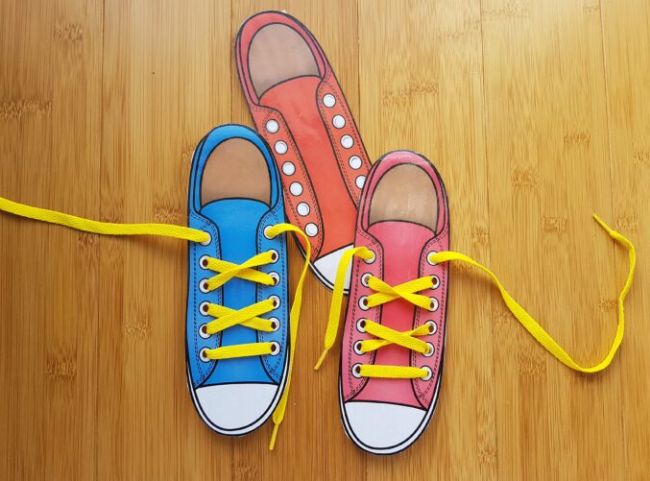
- Choose the Right Shoes: Thick laces, keychain shoes, or even velcro replacements reduce frustration and make manipulation easier. For kids with tactile sensitivity, smooth or soft materials work best. Let your child pick fun, easy-to-handle shoes to spark engagement. Visual and Hands-On Teaching: Demo each step clearly—use a mirror so they see hand movements up close. Show photos or short videos of shoe tying